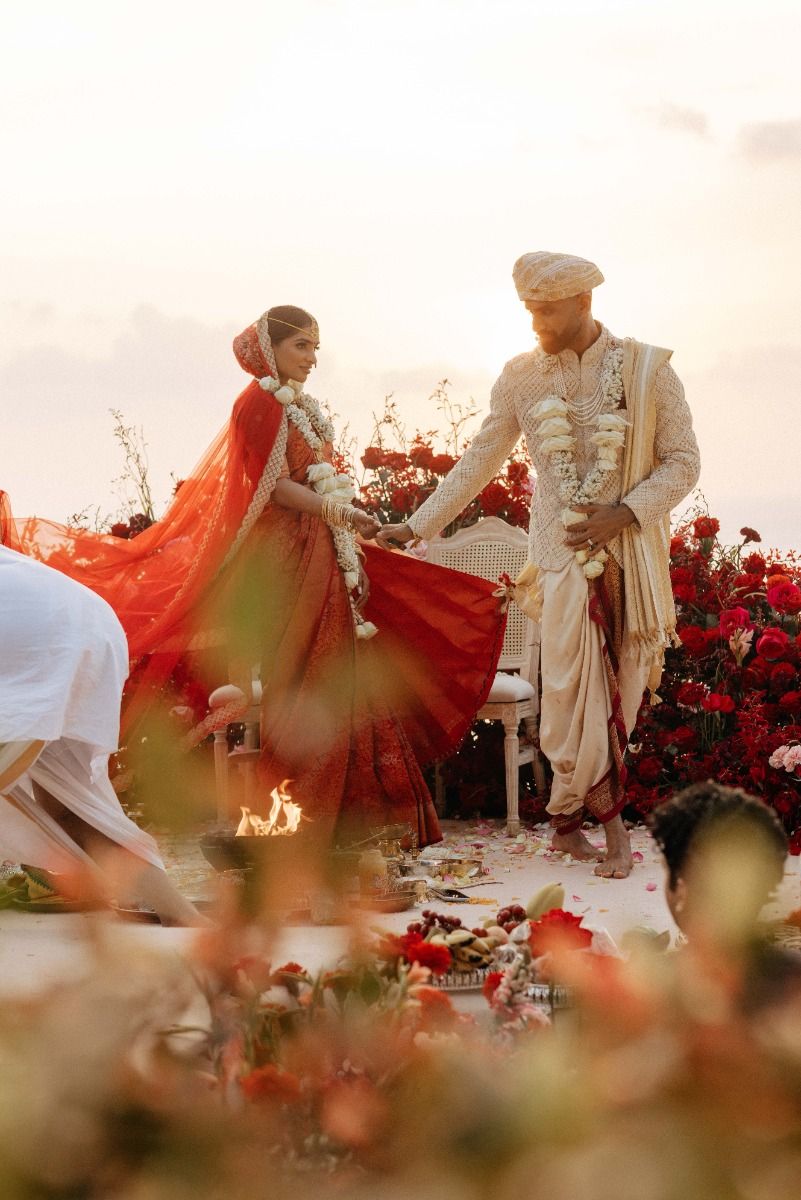
The job is easy to underestimate from the outside — it looks like picking flowers and sending a few emails. In practice it's closer to running a small, one-time project with dozens of moving parts and a fixed, non-negotiable deadline.
Before the wedding
- Understanding your vision, budget, and non-negotiables in the first consultation
- Shortlisting and negotiating with venues based on your actual guest count and style
- Vetting and coordinating vendors — catering, décor, photography, entertainment
- Building and holding the master timeline everyone else works against
On the wedding day
- Being the single point of contact so vendors aren't calling you or your family directly
- Managing setup, run-of-show timing, and troubleshooting the small things that inevitably shift
- Handling the one problem that always comes up, quietly, before you even hear about it
What a planner does not replace
Your own decisions on style, priorities, and budget — a good planner narrows options and executes, but the wedding should still feel like yours, not a template applied to your date.
Frequently Asked Questions
Do wedding planners also do the decor themselves?
Some do; many coordinate specialist décor vendors instead. Worth asking directly what's in-house versus subcontracted when comparing planners.
Will I still need to make a lot of decisions myself?
Yes — a planner narrows and executes options, but taste, budget priorities, and final sign-off stay with you throughout.