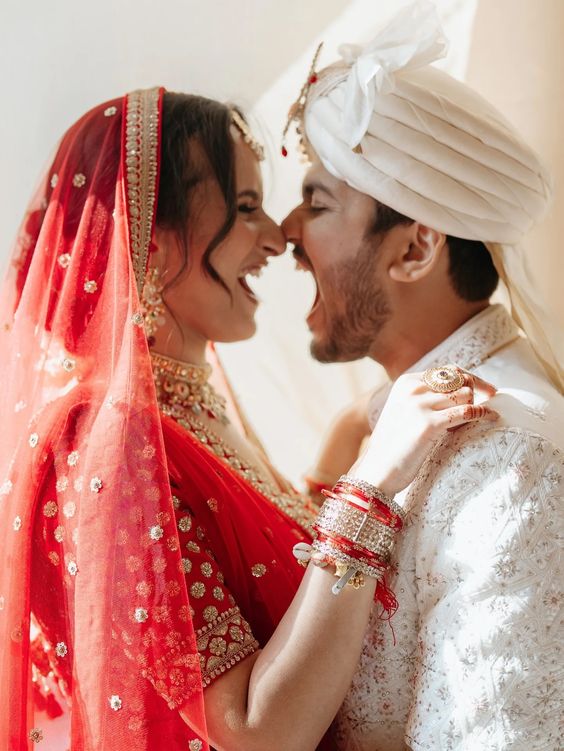
Very few couples we work with are purely one or the other — most weddings today are a considered blend, and the interesting question is where couples are choosing to keep tradition and where they're updating it.
Where tradition usually stays intact
Core ceremony rituals — the specific religious or cultural sequence of the wedding itself — are the part couples are least likely to modify, even when everything around them (décor, reception format, music) is thoroughly modern.
Where fusion shows up most
Décor palettes, reception entertainment, menu (a traditional lunch alongside a modern live-counter dinner), and the pre-wedding events — sangeet and mehendi have become the most experimental parts of the celebration for many couples.
A practical way to think about it
Decide ceremony structure with family input first, since that's the part with the most tradition and emotional weight attached, then treat everything else as more open to personal style.
Frequently Asked Questions
Is a fusion wedding more expensive than a fully traditional one?
Not inherently — cost is driven more by scale and vendor choices than by how traditional versus modern the style is.
How do you balance family expectations with wanting a fusion style?
Openly, and early — involving family in the ceremony-structure conversation specifically, while treating décor and reception style as more clearly the couple's call, tends to avoid friction later.